
The Death of Paper Menus: Why Digital is the Future of Dining

The Death of Paper Menus: Why Digital is the Future of Dining
In the bustling world of modern dining, the humble paper menu—once a staple of every restaurant table—is rapidly becoming a relic of the past. For decades, these printed sheets have guided diners through culinary choices, adorned with elegant fonts and mouthwatering descriptions. However, the rise of digital technology has ushered in a new era where QR codes, interactive screens, and app-based interfaces are transforming how we order food. This shift, driven by advancements in technology and evolving business needs, signals the "death" of paper menus in favor of digital alternatives. Why is this happening, and what does it mean for restaurants and customers alike? Let's dive in.
The Historical Context: From Parchment to Pixels
Menus have evolved alongside human civilization. The word "menu" derives from the French term meaning "detailed list," and early versions appeared in 18th-century France as handwritten cards for the elite. By the 20th century, printed menus became ubiquitous worldwide, serving not just as functional tools but as branding elements that conveyed a venue's personality.
The digital menu revolution took off with smartphones and high‑speed internet. Early adopters experimented with tablet-based menus in the 2010s, but broader adoption has been fueled by the need for efficiency and customization. Today, digital menus range from simple PDFs to sophisticated interactive platforms with rich media and real-time availability.
The Compelling Benefits of Digital Menus
The move away from paper isn't merely cosmetic—it's driven by tangible advantages that address real industry pain points.
Cost Efficiency and Operational Agility
- Avoid constant reprints for pricing, seasonal updates, and corrections—saving thousands annually.
- Real‑time edits for sold‑out items, daily specials, or dynamic pricing (happy hours, time-bound promos).
- API integrations with POS (e.g., Oracle Simphony, Toast) enable automatic sync, inventory updates, and fewer errors.
Environmental Sustainability
- Eliminates paper waste, water usage, and chemical inks associated with frequent reprints.
- Appeals to eco‑conscious diners and strengthens a restaurant’s sustainability story.
Enhanced Customer Engagement and Experience
- Interactive visuals, nutrition and allergen filters, and multilingual support improve decision‑making.
- Personalised recommendations and smart upsells increase average check sizes.
- Faster, clearer ordering reduces friction and perceived wait times.
Data‑Driven Insights
- Track item popularity, viewing time, and abandonment.
- Use insights for menu engineering, pricing, waste reduction, and targeted promotions.

Addressing the Challenges: Not All Smooth Sailing
- Accessibility gaps for guests without smartphones or with low digital literacy.
- Connectivity issues (Wi‑Fi, device compatibility) and occasional technical glitches.
- Upfront costs for hardware/software and risk of depersonalization if poorly implemented.
- Privacy considerations around data collection.
💡 PRO TIP: Offer hybrid setups (digital‑first with paper on request), provide staff guidance, and choose resilient, offline‑tolerant solutions.
The Future: Beyond QR Codes
- AI‑driven personalization based on preferences and order history.
- AR visualizations of dishes, immersive menus, and richer storytelling.
- Hyper‑dynamic menus that adapt to dietary needs and inventory in real time.
- Consistent global branding and performance across locations as 5G and edge compute mature.
In essence, the death of paper menus isn’t an end—it’s a rebirth of better, smarter dining.
How Can AfterMenu Help You
Ready to embrace the shift? AfterMenu provides a complete platform to create professional, customizable digital menus with no setup fees, affordable monthly plans, unlimited edits, and engagement features that drive revenue—helping you save costs, boost sales, and stay ahead.
Move faster with AfterMenu—built for the restaurants of tomorrow.
Related Articles
 Regulations1 Aug, 2025
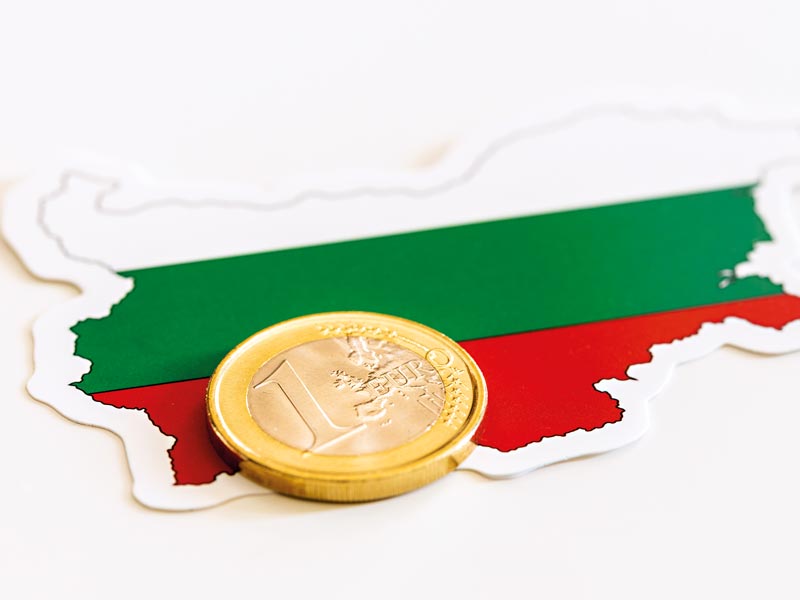
Euro Adoption Act In Bulgaria – Latest Changes
Learn about the new price control measures and obligations for traders during Bulgaria's transition to the eurozone.
Read more- Tips10 Jul, 2025
How to Optimize Your Digital Menu for Better Customer Engagement
Discover effective strategies to make your digital menu more engaging and drive customer satisfaction.
Read more
